Accompaniment · Advisory · Training
People
Centered.
People at the centre. Actors in collaboration. Protection as the outcome.
Supporting organisations and multi-actor networks in bringing communities and actors together to understand risks, identify priorities and develop collective responses that help keep people safe.
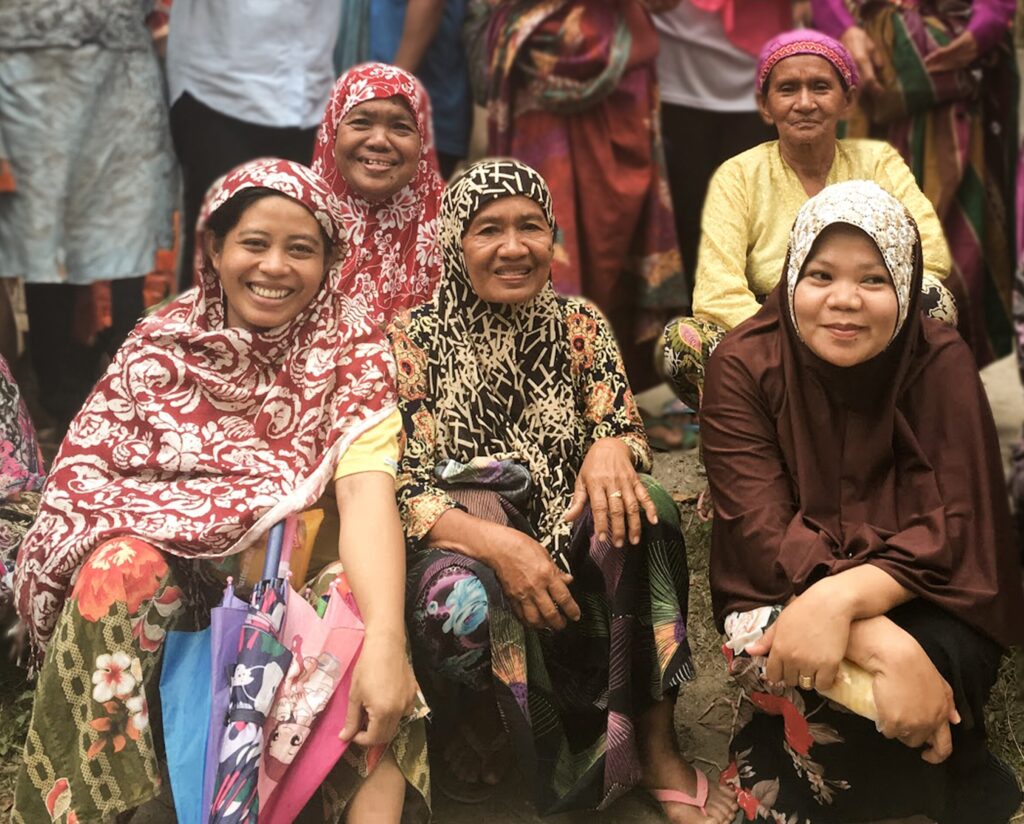
From Commitments to Safer Communities
Across the humanitarian and development sectors, there is growing consensus around the importance of participation, localisation, accountability and collective action. These priorities are reflected in commitments such as the Grand Bargain, Accountability to Affected Populations frameworks and area-based approaches.
Yet important questions remain: How can communities move beyond consultation to genuinely influence decisions? How can local, national and international actors work together around shared priorities? And how can participation contribute to what ultimately matters most: helping people stay safe?
Community perspectives are often collected, but not always translated into collective analysis, shared planning or strategic decisions. Local actors are increasingly expected to lead, yet may not always have the influence, resources or space needed to shape priorities. At the same time, shrinking resources are increasing the need for more strategic collaboration and greater collective impact.
The People-Centered Approach starts from a simple premise: protection begins with people’s own understanding of safety and risk. By bringing communities and actors together to analyse threats, identify priorities and develop collective responses, the approach helps transform participation into community-validated action, while strengthening localisation, collective decision-making and meaningful protection outcomes.
How we work together
01
Accompaniment for a collective Plan of Action
Accompanying communities and actors through a structured process of analysis, dialogue and strategy-building — from jointly identifying threats and priorities to developing community-validated plans of action that strengthen safety and protection outcomes.
02
Advisory & Programme Support
Providing strategic and operational guidance to organisations seeking to strengthen protection, participation, localisation and collective action. Support may include programme reviews, strategy development, monitoring and evaluation, and organisational reflection processes.
03
Facilitation & Training
Designing and facilitating workshops, trainings and collaborative learning processes that help organisations translate concepts and commitments into practical action, stronger partnerships and more effective ways of working with communities.
A practical methodology for collective action and locally grounded protection
Protection is the starting point. Participation is the mechanism. Collective action is the response.
The People-Centered Approach starts with people’s own understanding of safety and brings communities and actors together to analyse risks, identify priorities and develop collective responses.
Applied across more than 22 countries by over 750 practitioners, the approach combines participatory analysis, collective planning and collaboration grounded in comparative advantage to strengthen locally grounded and collectively owned protection strategies.
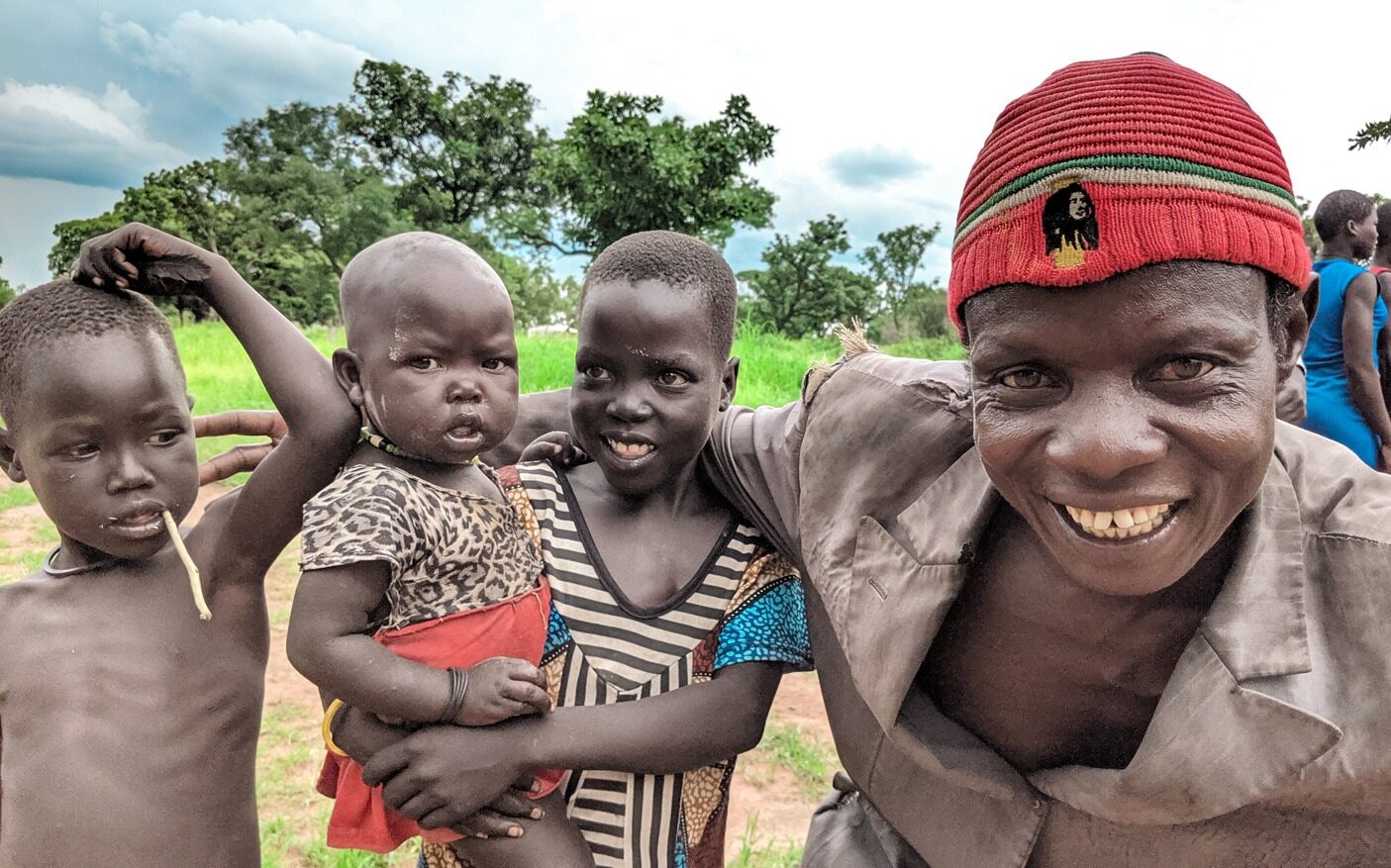
A track record built across contexts, organisations and communities
1,500+
Community members engaged as analysts, decision-makers and co-creators of protection strategies
40+
Conflict-affected and displacement contexts
750+
Practitioners trained, facilitated and accompanied
60+
Working with local associations, national and international NGOs, humanitarian and development organisations, UN agencies, academic institutions